Is It Smarter to Dose CBD Per Bowl Instead of in the Whole Pot?
In recent years, CBD has become a popular supplement for culinary enthusiasts trying to blend wellness with flavor. But while many people add CBD tinctures directly to entire pots of soup, sauces, or stews, is that really the smartest approach? As someone who’s spent over a decade dabbling in kitchen science—and the last four years helping friends dose CBD professionally—I’m here to break down the practical and scientific reasons for dosing CBD per serving rather than the whole pot.
Along the way, we'll touch on some trusted brands like Joy Organics, the stringent USDA National Organic Program standards that can help ensure you’re buying quality CBD, and even peek at data trends from Google Analytics to see what people want to know about CBD Great post to read dosing.
Why Precise CBD Per Serving Dosing Matters
One of the biggest frustrations I hear from CBD cooks is "How much should I add?" Too often, recipes skip this detail entirely or give vague advice like "add a dropper," which drives me nuts. Here’s why being precise means dosing CBD per bowl, cup, or plate—and not lumping it all into your pot before serving.
- Heat Degradation: CBD and other cannabinoids are heat-sensitive compounds. High temperatures—like those in boiling pots or simmering sauces—can degrade not only the cannabinoids but also their aromatic terpene profiles. This reduces the potency and pleasantness of the final dish.
- Uneven Portions Lead to Uneven CBD: When you add CBD to an entire pot, the mix rarely disperses evenly. Soup servings can vary in volume and ingredient density, so one bowl might have twice the CBD dose another gets.
- Personalized Dosing: People have different tolerance levels and goals for CBD. Dosing per bowl or per serving at the table allows for precision that respects individual needs.
The Science of Heat and CBD: What Happens When You Cook With Cannabis Compounds
Let's unpack the chemistry behind cooking with CBD. Cannabinoids like CBD begin to degrade when exposed to sustained heat above 160°F (70°C). At typical cooking temps over 212°F (100°C), especially boiling or prolonged simmering, the molecules break down or evaporate. Terpenes—the compounds that give cannabis its fragrance and contribute to the entourage effect—are even more volatile and often disappear with aggressive heat.
A kitchen hack I stick to: Always add your CBD tincture off heat and at the end of cooking. For stews and sauces, this means removing your pot from the burner, letting the temperature drop a bit, then stirring in your dose. This way, you maximize cannabinoid stability and preserve fresh aroma.
Using an Amber Glass Bottle With a Dropper to Dose Accurately
Many reputable CBD product makers, including Joy Organics, package tinctures in amber glass bottles. This type of packaging blocks UV light, which can degrade cannabinoids over time, preserving your product’s shelf life.
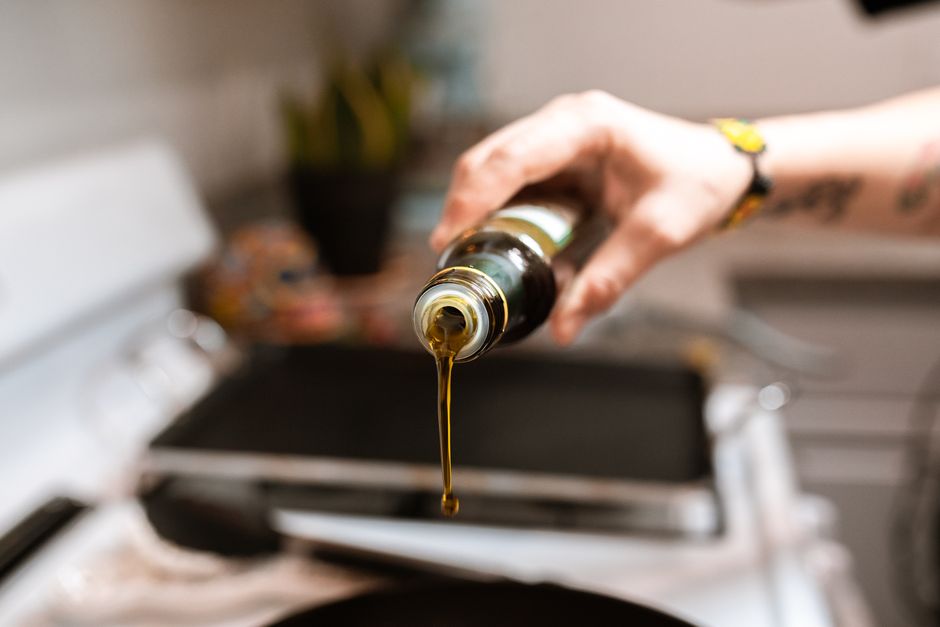
Joy Organics’ tinctures usually come with a dropper that has a fill line, making it incredibly easy to measure consistent doses. For example, a 1 mL full dropper might contain 30 mg of CBD, but you can fill it halfway for 15 mg. This allows for reliable dosing per serving when you add it bowl-side or plate-side.
Why Fat Matters When You Add CBD to Food
CBD is fat-soluble, meaning it dissolves and disperses well in fat-containing foods. This affects absorption in your body as well as evenness in your dish.
- If you add CBD tincture to a fatty food like soup with cream, butter, or oil, the cannabinoids will distribute more reliably than in a broth or water-only dish.
- Avoid adding CBD directly into water-only drinks. Without fats, the CBD separates out and "floats," leading to uneven dosing. If you want to dose a water drink, mix in a fat source first, such as half-and-half or coconut milk.
Quick Tip: Add CBD at the Table for Best Control and Preservation
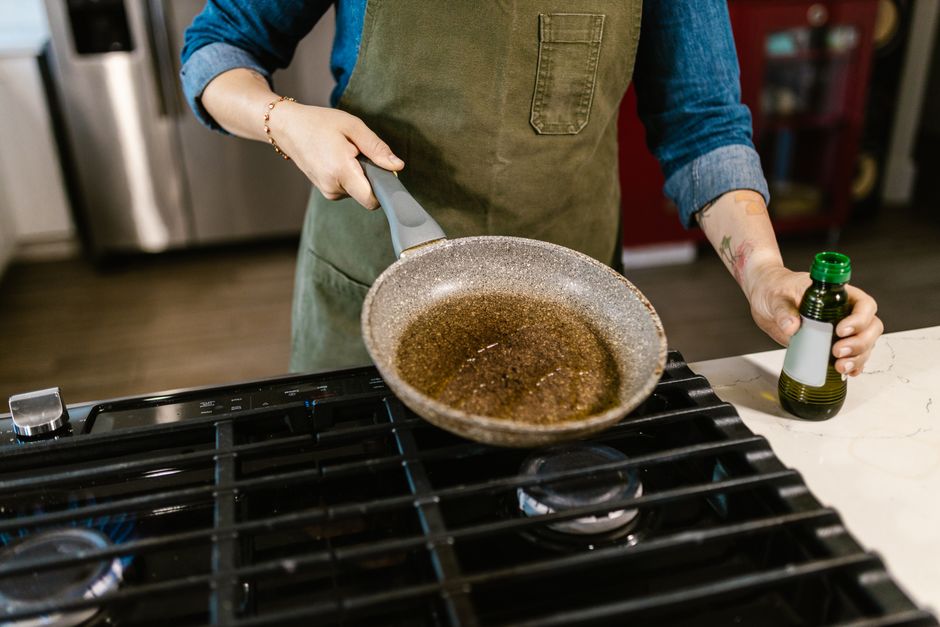
My personal favorite—and something I recommend to all CBD cooks—is to add doses per serving at the table. Keep your CBD tincture at hand in its amber glass bottle and use the dropper to dose each bowl or cup individually.
This approach lets everyone adjust to their tolerance and preference, keeps the cooking process simple, and preserves the potency of the CBD because it skips heating altogether.
Comparing Dosing Methods: Whole Pot vs Per Bowl
Feature Dosing CBD in Whole Pot Dosing CBD Per Serving (Per Bowl) Consistency of Dose Uneven due to portion size variability Highly consistent and personalized Heat Exposure High exposure to heat, degrading cannabinoids Minimal heat exposure, preserving potency Ease of Preparation Simple—add once during cooking More attention needed at serving time Flexibility in Dosing Uniform dose for all Adjustable per individual serving Effect on Food Aroma Potential loss of terpene aroma Preserves aroma and flavorChoosing Quality CBD: The USDA National Organic Program and Joy Organics
A smart dosing strategy starts with quality ingredients. The USDA National Organic Program (NOP) certifies products meet strict organic standards, which includes no synthetic pesticides or fertilizers, sustainable farming practices, and strict quality control. When searching for CBD tinctures, look for those USDA-certified organic to avoid unnecessary contaminants.
Joy Organics is a brand I often recommend because they consistently deliver third-party tested, full-spectrum CBD tinctures that also include terpene profiles to enhance flavor and effect. Their products typically carry the USDA organic seal, and their tinctures use premium carrier oils that boost bioavailability.
What Are People Searching for? Insights From Google Analytics on CBD Dosing Terms
Using tools like Google Analytics, I've tracked search trends around cbd per serving dosing, uneven portions cbd, and phrases like add cbd at the table. The data confirms that more and more home chefs want precise, safe, and flexible dosing methods—not vague "just add a dropper" tips.
The interest skews toward tips on dosing post-cooking, controlling dose variability between servings, and choosing the right carrier foods to enhance absorption. This aligns exactly with the best practices outlined here.
Final Recommendations: How to Dose CBD Like a Pro in Your Kitchen
- Choose quality CBD. Pick USDA-certified organic brands like Joy Organics with reliable dosing info and amber glass packaging.
- Add CBD tincture off heat, at the end of cooking. Avoid boiling or simmering once CBD is incorporated.
- Use a dropper with fill line. Measure consistent doses per serving to prevent under- or overdosing.
- Dose per bowl or serving at the table. This preserves potency, aroma, and allows guests to tailor their dose.
- Include fats in your dish or drink. To aid dispersion and absorption, add CBD to foods or beverages containing fats like oils, cream, or coconut milk.
- Avoid water-only treats. Unless including fat, do not add CBD to water, tea, or broth alone.
Summary
Dosing CBD per bowl or serving rather than in the whole pot is smarter for potency, flavor preservation, and dose accuracy. Using quality CBD tinctures in amber glass bottles with well-marked droppers, adding them off heat, and choosing fat-based foods ensures the best possible culinary experience. Brands like Joy Organics, certified by USDA’s National Organic Program, simplify this process with consistent, lab-tested products.
Whether you’re cooking for yourself or friends, keep your kitchen CBD dosing precise and intentional. Your taste buds and wellness goals will thank you.