How do I set a routine time so I don’t drift into drinking later at night?
If you mean to have a drink-free evening but find yourself pouring one later on, the answer probably isn’t to try harder at 9 pm. It’s to make a clear plan for the hours before then: a reliable time to switch out of work mode, a small ritual that marks the change, and a satisfying alternative that gives you permission to rest.
A good evening routine schedule doesn’t need to be strict or elaborate. It needs to be specific enough to guide you when you’re tired, and kind enough to work on an ordinary Tuesday. The aim is not to control every minute. It’s to set a ritual time that helps you move into the evening before drinking becomes the default.
Start by asking: what job is the drink doing?
Before choosing a replacement, ask yourself: what job is this habit doing? An evening drink might mark the end of work, offer a moment of quiet, take the edge off stress, or make a meal feel like an occasion. It may be doing more than one job.
There’s no need to judge the answer. The point is to find an alternative that meets the same need. If a drink is your “work is over” signal, a relaxing bath later may not help much—you may need a clear transition cue straight after work. If it’s about having something special with dinner, a proper glass and an appealing alcohol-free drink could fit better.
Try completing these sentences:
- “I usually want a drink when…”
- “At that moment, I’m hoping it will help me feel…”
- “One other way I could get some of that feeling is…”
This is habit substitution: not simply removing a behaviour, but designing a new one that meets some of the same needs.
Choose a ritual time, not a perfect timetable
A useful routine has an anchor. Pick a time linked to something that already happens most evenings: closing your laptop, arriving home, finishing dinner, or taking the dog out. Then attach your new ritual to it.
For example: “At 6.15 pm, after I close my laptop, I change clothes, make a drink and sit down for ten minutes.” That’s more actionable than “I’ll relax tonight.” Your chosen time can be flexible by 15 or 30 minutes. Consistency matters more than precision.
Build an evening routine schedule around three moments
- Transition: mark the end of work or the day’s demands.
- Reward: give yourself something enjoyable and genuinely restful.
- Landing: make the next part of the evening easier, such as preparing food or getting ready for bed.
Use this as a template, not a rulebook. If your workday ends at 8 pm or your evenings include caring responsibilities, move the times to fit your life. A routine should support you, not become one more thing to fail at.
Design an after-work transition without alcohol
Remote work can blur the boundary between “on” and “off”. If you work at home, your laptop may close, but your mind can stay at the desk. A small physical change helps your brain notice the shift.
Keep the first step very easy. In my notebook of tiny ritual first steps, the most useful ones are often almost comically small: put your work mug in the sink, open the back door for fresh air, or change into comfortable clothes. The first step isn’t supposed to transform your evening. It’s there to get the routine moving.
Try a ten-minute work-to-evening ritual
- Write down the one work task you’ll pick up tomorrow.
- Close the laptop and put it out of sight, if possible.
- Change clothes or wash your face.
- Make a drink you enjoy and sit somewhere other than your work spot.
- Take ten minutes before deciding what the rest of the evening needs.
If you’re used to having alcohol as the first cue that work is over, don’t expect the new ritual to feel equally satisfying on day one. Repetition helps the cue become familiar. Make it easy to repeat: leave your chosen glass, teabags, cordial or ingredients where you’ll see them.
Make the alternative feel like a reward
“Don’t drink” is a limit. “Make a lovely drink and watch an episode of something I enjoy” is a plan. The second version includes permission to rest, which is often the missing ingredient.
Choose a reward that feels genuinely appealing—not a chore dressed up as self-improvement. It might be a favourite snack, a warm shower, a game, a book, music, a phone call or simply doing nothing for a while. Rest does not have to be earned by completing every task on your list.
Use sensory cues on purpose
Our surroundings can make a habit easier to start. Give your alcohol-free option a little ceremony: use a proper glass, add ice or citrus, and put it on a small tray. The sound of the ice, the smell of mint or the feel of a cold glass can help make the replacement feel like an occasion rather than a consolation prize.
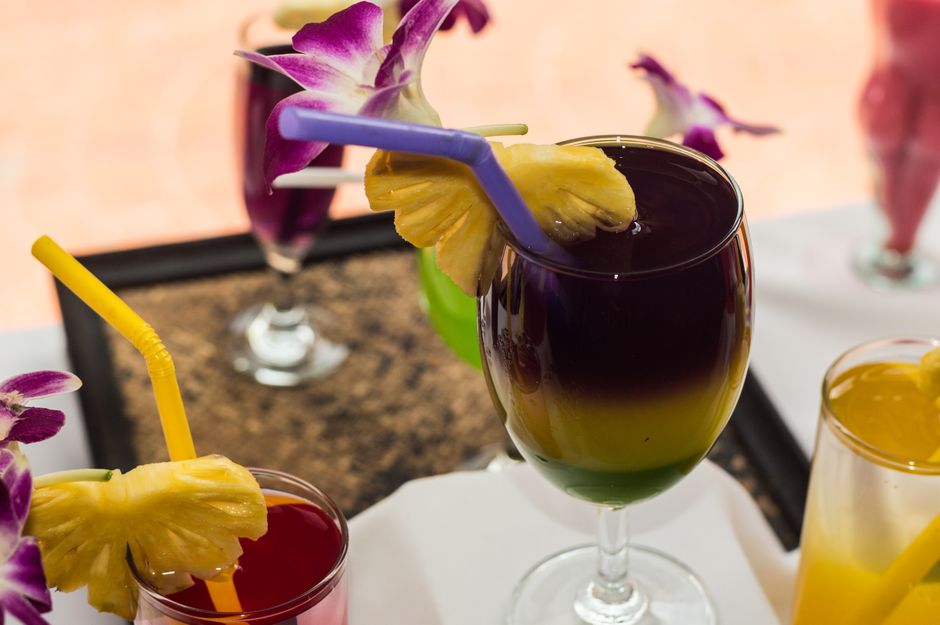
Set up the room to support your plan, too. Put alcohol out of immediate sight if that feels helpful. Move your laptop away from the place where you relax. Turn on a lamp, change the music, or put your phone on charge across the room. These are not tests of discipline; they’re ways of making the desired choice more visible and the old cue less automatic.
Plan for the time you usually drift
Notice when the urge tends to arrive. Is it after dinner, when the house gets quiet, or when you sit down with your phone? Rather than waiting for that moment to improvise, make a small “if–then” plan:
- “If I want a drink after dinner, then I’ll make my alcohol-free drink and take it into the garden for five minutes.”
- “If I feel restless at 9 pm, then I’ll have a shower or walk round the block before deciding what I want.”
- “If I’m tired and looking for a reward, then I’ll choose a snack and an episode of my programme.”
You’re not promising never to feel an urge. You’re deciding what you’ll do first. Even a brief pause can help how to read CBD lab results you choose more deliberately. You can also track the time, situation and feeling for a week. Look for patterns, not reasons to criticise yourself.
Make the plan workable, not perfect
Start with one or two changes for a week. For example, set a 6.30 pm ritual time and prepare a drink before you sit down. If the plan is too ambitious, scale it down rather than abandoning it. A five-minute transition you actually do is more useful than an elaborate routine that only works on your best days.

After a week, ask: What made it easier? What got in the way? Did the replacement meet the need the drink was meeting? You might need to change the time, choose a more satisfying reward or move supplies somewhere more convenient. That’s useful information, not a lack of willpower.
If you’d like structured support with habits, The Coach Space is one example of a coaching community you could explore. Look for an approach that helps you define your own goals and test practical changes, rather than promising an instant fix.
A note about supplements and alcohol
Some people look at products such as CBD as part of a wellbeing routine. If you’re considering a product from a company such as Joy Organics, treat it as a product to research, not a proven way to stop drinking or manage alcohol-related problems. Check what is legally available in the UK, read the label carefully, and look for accessible QR code lab reports that identify the product and its contents. A report is one piece of information; it does not prove that a product is suitable or effective for you.
CBD can interact with medicines, and products sold as supplements are not a substitute for medical advice or treatment. A pharmacist consultation can be a sensible first step if you take medication, have a health condition or are unsure about a product. Don’t combine alcohol with a supplement or medicine without checking whether that is safe for you.
If drinking feels hard to change
If you’re regularly drinking more than you intend, feeling unable to stop once you start, or relying on alcohol to get through the evening, you deserve support without judgement. A GP can help you talk through options, and services such as Drinkline in England (0300 123 1110) can offer confidential advice. You can also check local alcohol support services through your council or NHS pathways.
If you drink heavily or every day, stopping suddenly can be dangerous because withdrawal may need medical support. Speak to a GP or alcohol service before making a major change. If you have severe withdrawal symptoms or feel seriously unwell, seek urgent medical help.
Your simple plan for tonight
Choose a time linked to the end of work or another regular event. Pick one tiny first step. Prepare a rewarding alcohol-free drink in a proper glass, and decide what you’ll do during the part of the evening when you usually drift towards drinking. Then let the rest be good enough.
A routine works best when it offers something, not just when it takes something away. With a clear transition, a satisfying reward and a few helpful sensory cues, you can gradually prevent late-night drinking from being the automatic end to your day—and make room for an evening that feels like yours.